Roof Snow Shoveling and Snow Load Removal in Aspen
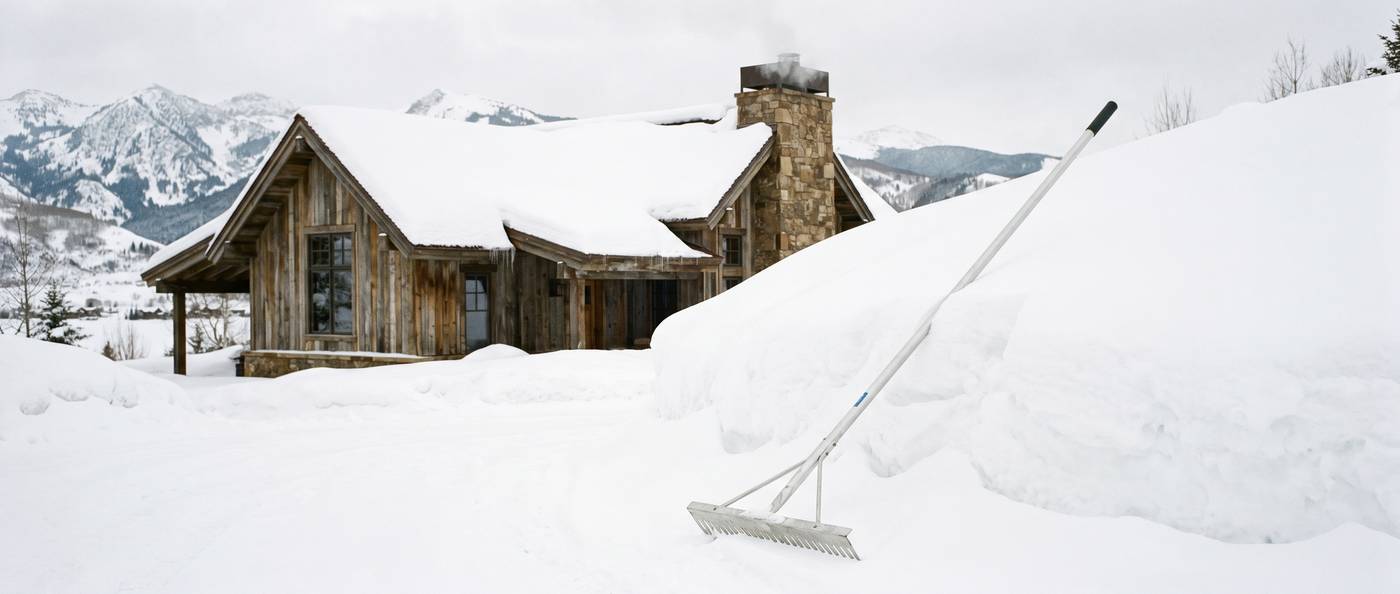
Roof snow shoveling in Aspen is about weight, not appearance. The job is to take load off the structure before the next storm stacks more on top of it — and to do that without a tool ever touching the roofing. Crews work in lifts, removing snow in layers and leaving an inch or two behind as a wear layer.
Aspen's roofs are engineered for serious weight. The City of Aspen's amended climatic design table sets a ground snow load of 100 pounds per square foot — three to five times what much of the country designs to. In unincorporated Pitkin County the roof snow load is set by the 2016 Snow Load Design Data for Colorado published by the Structural Engineers Association of Colorado, and the required value varies by site and elevation. If you want the number for a specific down-valley address, the Building Division is the place to get it — it is not a figure to guess at.
Why a Well-Built Roof Still Needs Snow Removed
The design number describes a roof as drawn, engineered and inspected. Real winters do not distribute snow the way a drawing does:
- Drifting. Wind stacks snow behind dormers, chimneys, parapets and ridges. Localized depth can be several times the average across the roof.
- Sliding loads. A steep upper roof sheds onto a lower roof, garage or deck that was never designed to receive it — the single most common overload we see.
- Wet snow and rain-on-snow. Spring storms add water to an existing pack. Weight climbs fast with no change in depth.
- Additions and remodels. Older sections, enclosed porches and sunrooms are frequently framed to a different standard than the main house.
- Ice. A layer of ice at the eave weighs far more than the snow above it, and it sits at the point of maximum leverage.
Warning Signs of an Overloaded Roof
Structures give notice before they fail. Interior doors and windows that suddenly stick or will not latch. Fresh cracks in drywall or plaster, especially above door frames. Creaking or popping under load. A ridgeline that has developed a visible dip. Sagging between rafters. Any of these on a snow-loaded roof means get the weight off now, and get eyes on the framing afterward.
Low-Slope and Flat Roofs
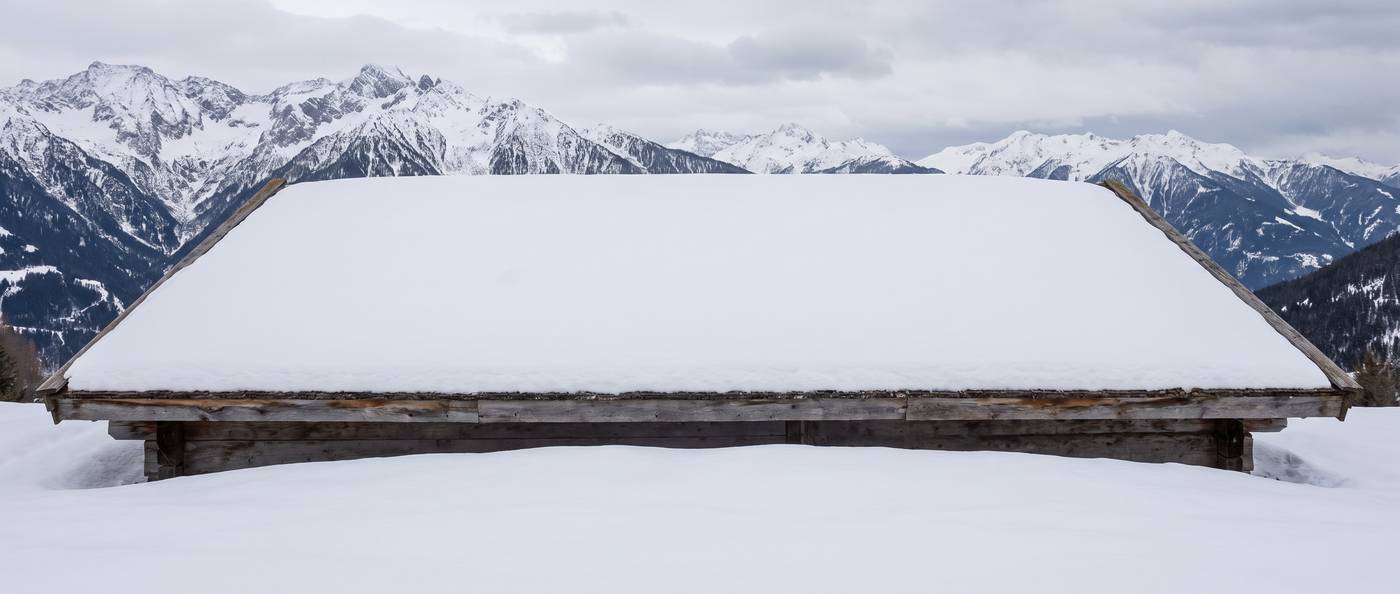
Aspen has a lot of contemporary architecture, and low-slope and flat roof sections are where roof snow removal earns its keep. A steep roof sheds most of what lands on it. A flat roof holds every inch until somebody takes it off, and drifting against parapets concentrates it further. Membrane roofs also want a specific approach — plastic tools only, no chopping at frozen drains, and a wear layer left in place.
Clearing Vents, Flues and Egress
Roof snow removal is not only structural. Buried plumbing vents, blocked furnace and water-heater flues, and snow-blocked egress windows are safety problems that arrive with deep snow. Pitkin County's code requires plumbing vents to terminate at least 12 inches above the roof or six inches above anticipated snow accumulation, whichever is greater — which tells you how routinely snow buries them here. A blocked flue is a carbon monoxide question, not a housekeeping one.
Roof Snow Shoveling Across the Valley
Roof snow shoveling in Aspen, Snowmass Village, Woody Creek, Old Snowmass, Basalt, El Jebel, Carbondale and Glenwood Springs. Storm-season scheduling fills quickly — seasonal contracts exist mostly so that regulars are not competing for the same 48 hours after a big cycle.