Ice Dam Removal in Aspen, Colorado
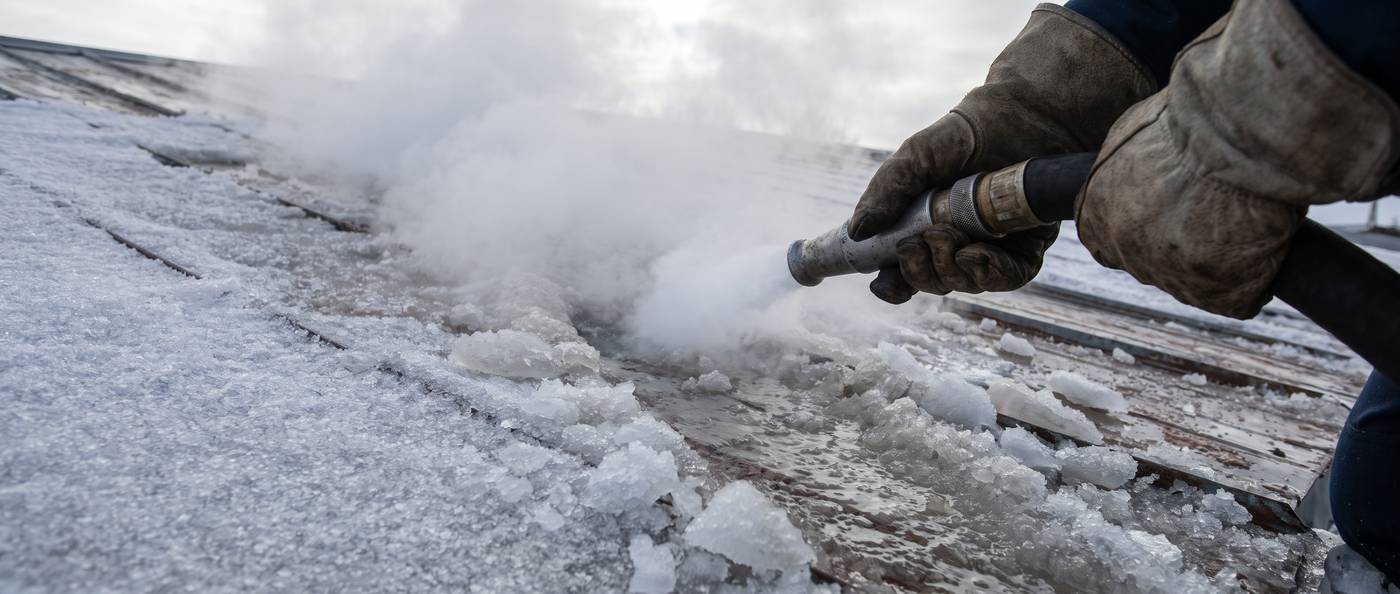
Ice dam removal in Aspen is done with low-pressure steam — roughly 290°F of gentle vapor that melts channels through the ice and releases the dam from the roof without touching the roofing underneath. It is the only method that removes a dam quickly without trading a water problem for a roofing problem. A typical steam job takes two to four hours.
An ice dam forms when heat escaping the living space melts snow on the upper part of the roof. That meltwater runs down to the eave — which is cold, because there is no heated space beneath it — and refreezes. Repeat that cycle for a few weeks and a ridge of solid ice builds along the bottom of the roof. Water then ponds behind it, works backward under the shingles, and comes through your ceiling.
Aspen's code anticipates this specifically. Pitkin County amends the residential code to require an ice dam barrier — two layers of cemented underlayment or a self-adhering polymer modified bitumen sheet — extending from the eave edge at least four and a half feet inside the exterior wall line, plus 24 inches from valley centerlines and 24 inches up vertical walls at roof-to-wall junctures. The base code asks for two feet. This county more than doubles it, because ice dams here are not a rare event.
Signs You Have an Ice Dam Problem
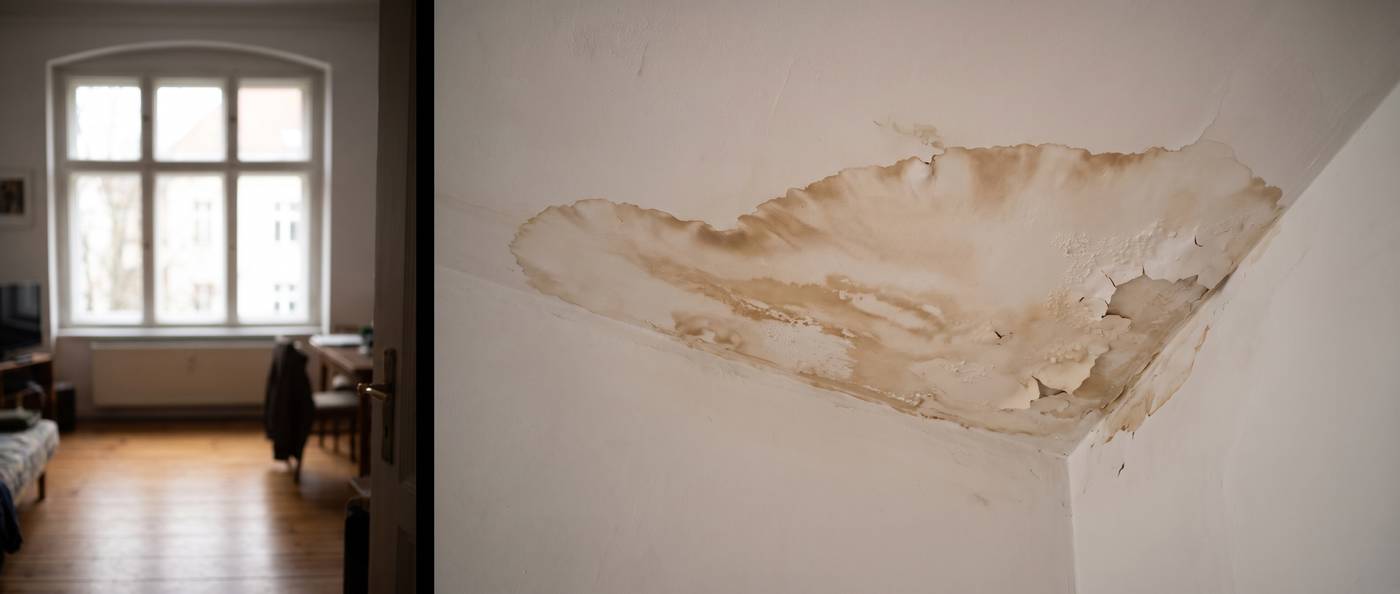
- Water stains on the ceiling, especially along exterior walls — the classic first symptom.
- A thick ridge of ice at the eave with a snow field still sitting above it.
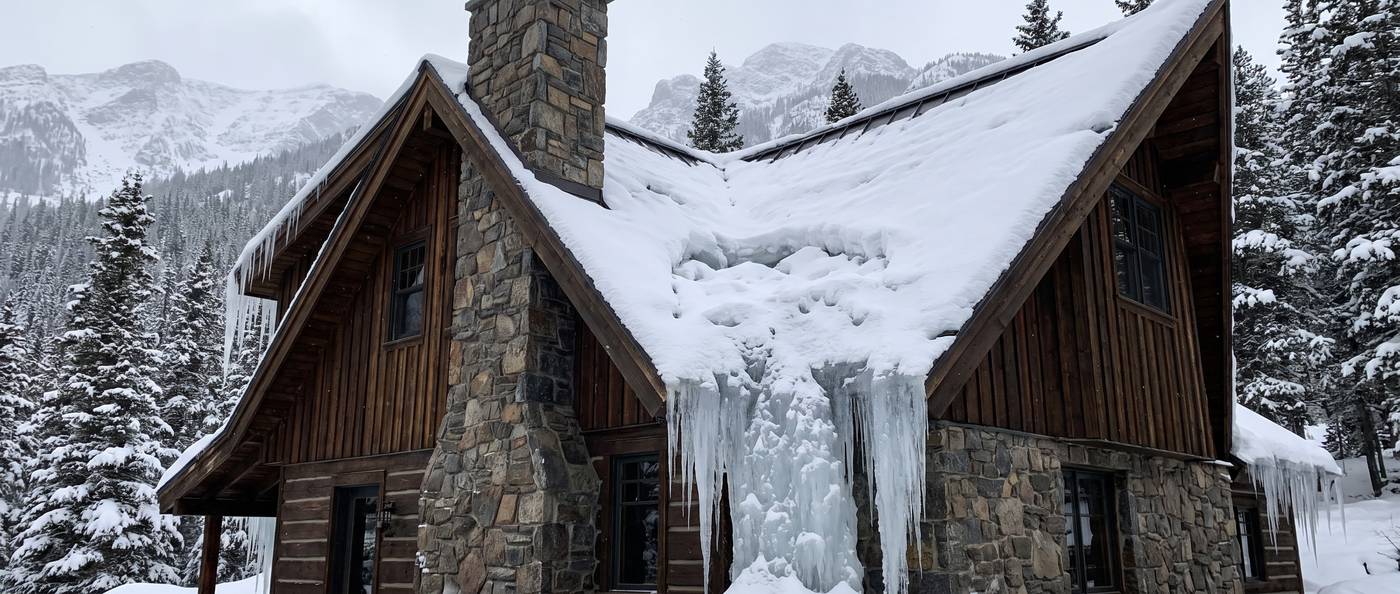
- Heavy icicles, particularly ones thick enough to be dangerous underneath.
- Ice in the valleys or built up against a wall where a roof plane meets vertical siding.
- Gutters packed solid, with water running behind rather than through them.
- Damp or matted attic insulation near the eaves.
Why Not Just Chip It Off
Because it destroys the roof. Axes, hatchets, chisels, hammers and crowbars all break shingles, tear flashing and bend gutters, and the damage is invisible until spring, when it leaks. Rock salt and calcium chloride corrode metal and kill the plantings underneath. A pressure washer drives water up under the roofing — exactly what you are trying to stop. And a chipped dam grows back in days, because nothing about the cause has changed.
Emergency Ice Dam Removal
Water actively coming through a ceiling is an emergency. In that situation the first move is a relief channel steamed through the dam so the trapped water has somewhere to go, which usually stops the interior leak within the hour, followed by removal of the dam itself.
Stopping the Next One
Removal is treatment, not cure. The cure is heat and drainage. Heat tape and self-regulating heat cable keep a drain path open at the eaves, valleys and around skylights. Sealing attic air leaks, correcting insulation depth and making sure soffit-to-ridge ventilation actually moves air keeps the roof deck cold enough that the snow never melts from below in the first place. Most Aspen homes with a chronic ice dam have an attic problem, not a roof problem.
Ice Dam Removal Across the Roaring Fork Valley
Ice dam removal in Aspen, Snowmass Village, Woody Creek, Old Snowmass, Basalt, El Jebel, Carbondale and Glenwood Springs. Down-valley towns get less snow than Aspen but often more freeze-thaw, because daytime temperatures cross 32°F more often at lower elevation — and freeze-thaw is what actually builds an ice dam. Basalt and Carbondale ice dam calls are not unusual in a season when Aspen stays cold.