Heat Tape & Roof Heat Cable in Aspen, Colorado
Heat cable does not melt the snow off your roof — it keeps a drain path open so meltwater leaves the roof instead of freezing at the eave and backing up under the roofing. That distinction is the whole reason some installations work and others disappoint. Used correctly, heat tape in Aspen is one of the most cost-effective ways to stop the ice dam that keeps ruining the same ceiling every February.
Aspen roofs generate meltwater constantly through the winter, even at low air temperatures, because sun on a dark roof and heat escaping the living space both melt snow from below. That water has to get somewhere. If the path to the gutter and down the downspout is frozen solid, the water ponds behind ice at the eave and works backward under the roofing. Heat cable's job is to keep that path liquid.
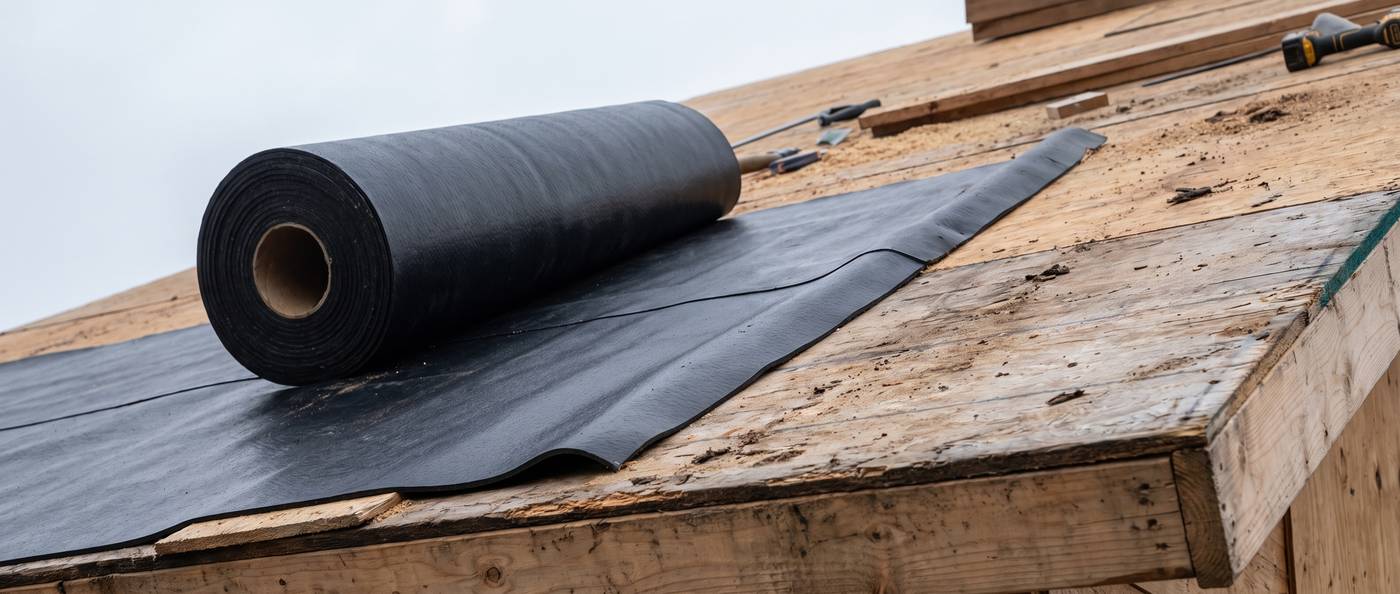
Self-Regulating Cable Is What Belongs Up There
Self-regulating cable changes its heat output along its own length as local temperature changes. Where the cable sits in ice it works hard; where it hangs in open air it backs off. It can be cut to length on site and it is safe where it overlaps itself — which matters, because a zigzag eave pattern crosses itself constantly. Constant-wattage cable runs at full output everywhere regardless, cannot overlap, and costs more to operate. Typical self-regulating cable draws about 3 to 8 watts per foot.
Where Cable Actually Needs to Go
- The eave — zigzagged so the heated path covers the full overhang, the cold part of the roof with no heated space beneath it.
- Gutters and downspouts — run right through and all the way down. A heated eave draining into a frozen downspout has just relocated the problem.
- Valleys — where two roof planes meet and meltwater concentrates.
- Roof-to-wall junctions — where a roof plane dies into vertical siding.
- Around skylights and chimneys — obstructions that trap snow and dam water above themselves.
Controls Are Not Optional
Cable left switched on from October to May is the most common reason people conclude heat tape is expensive. A thermostat controller runs it only in the temperature band where ice actually forms — roughly the high 30s down to the low teens. Moisture-plus-temperature sensing controllers go further and energize only when there is both cold and water present. On an Aspen-sized run of cable, the controller pays for itself.
Heat Cable Is Half the Answer
The other half is the attic. Most chronic ice dams in Aspen are heat-loss problems: recessed lights leaking warm air, a poorly sealed attic hatch, ductwork run through unconditioned space, insulation that has settled below its rated depth, or soffit vents blocked by that same insulation. A cold, well-ventilated roof deck does not melt snow from underneath in the first place.
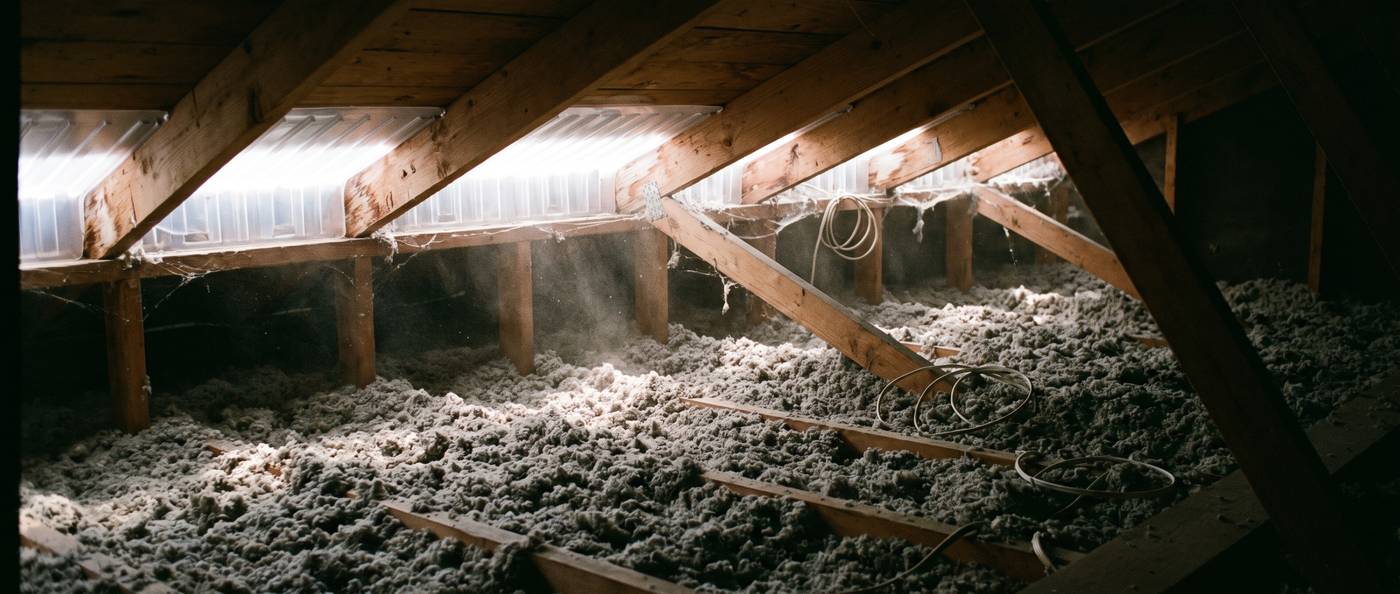
Heat cable manages the water you cannot prevent. Air sealing, insulation and ventilation reduce how much meltwater there is to manage. Homes that do both stop having ice dams; homes that do neither call for ice dam removal every winter.
Heat Tape Installation Across the Roaring Fork Valley
Heat tape and roof heat cable installation in Aspen, Snowmass Village, Woody Creek, Old Snowmass, Basalt, El Jebel, Carbondale and Glenwood Springs. The right time to install is early fall, before snow arrives — cable goes on a dry roof far more safely and cheaply than a frozen one, and it is ready when the first real cycle hits in November.